“Play is often talked about as if it were a relief from serious learning. But for children, play is serious learning. Play is really the work of childhood.”
— Fred Rogers
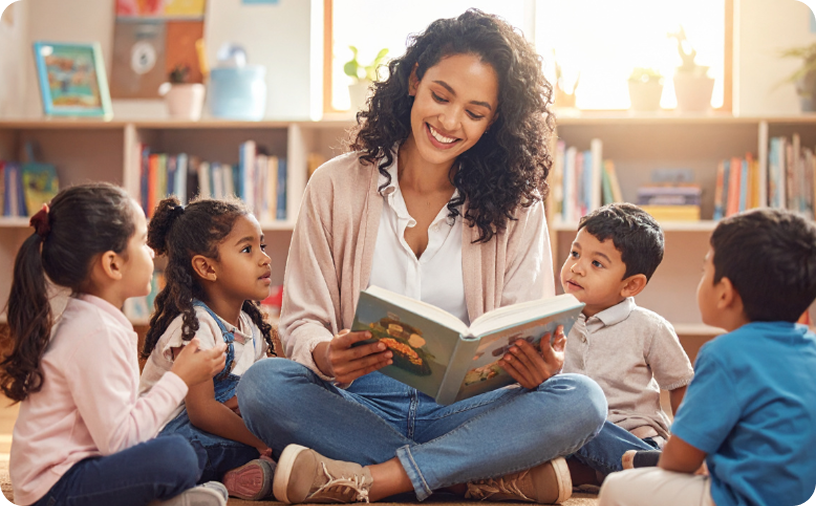
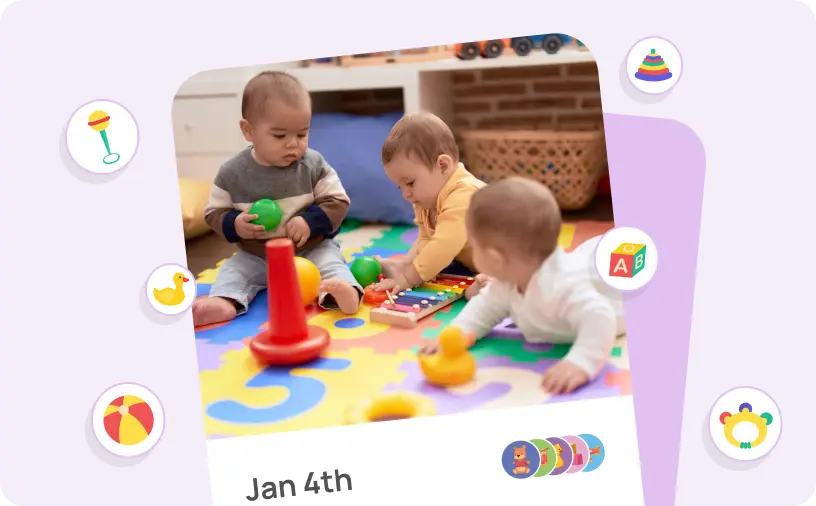
Early childhood educators have known this truth long before research caught up: children learn best through play. Whether they are building with blocks, pretending to run a restaurant, or collecting leaves outside, play gives children the space to explore, solve problems, collaborate, imagine, and make sense of their world.
Understanding that play matters is only the start. The real challenge is making sure programs have the systems, support, and time they need to notice, document, and build on the rich learning happening every day.
Below is a simple, actionable guide to help programs elevate play as serious learning.
1. Observe the Learning Beneath the Play
Children’s play reveals their problem-solving skills, creativity, persistence, and social connections. The key is slowing down long enough to see what’s really happening.
Try this:
– Watch for the moment a child revises their block structure after it collapses.
– Notice when two children negotiate who gets the purple dinosaur.
– Pay attention to the storytelling that emerges during pretend play.
These moments are assessment moments.
How Kaymbu helps:
Kaymbu’s photo and video observation make it quick to capture learning as it unfolds, without interrupting the flow of play. Educators can snap a quick photo, write a note, and get right back to supporting the activity!
.png)
2. Connect Play to Developmental Skills
Play isn’t random. It ties directly to developmental milestones across all domains: cognitive, physical, language, social-emotional, creative expression, and more.
Try this:
– After observing play, reflect on which skills are being demonstrated.
– Look for growth over time by comparing moments from earlier in the year.
– Share the “why” behind the play with families.
How Kaymbu helps:
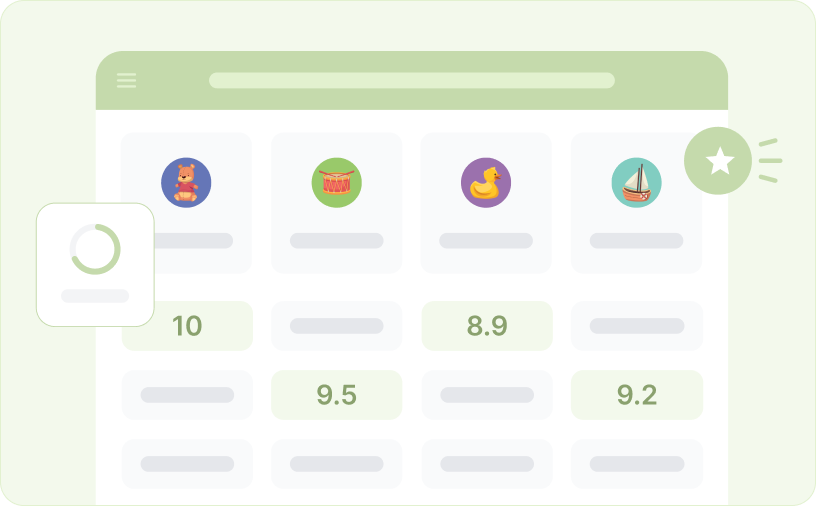
With COR Advantage, observations naturally connect to developmental items, making it easier to see patterns, trends, and progress across all domains. Educators can quickly see how play supports the whole child.
3. Create Environments That Inspire Play
Intentional environments help children dive deep into learning. A thoughtfully set-up space invites exploration, independence, and meaningful collaboration.
Try this:
– Rotate materials regularly to spark new ideas.
– Offer open-ended tools—loose parts, blocks, art supplies.
– Set up invitations like: “Can you create a home for these tiny animals?”
How Kaymbu helps:
Use Lesson Planner to outline thoughtful play-based setups, note what worked well, and adjust quickly for the next week. Kaymbu also has 500+ activities built in to help spark ideas!
.png)

.webp)